- Feroz Gandhi Market, Ludhiana, Punjab, India
- info@fourthX.com
- +91 740 740 7004

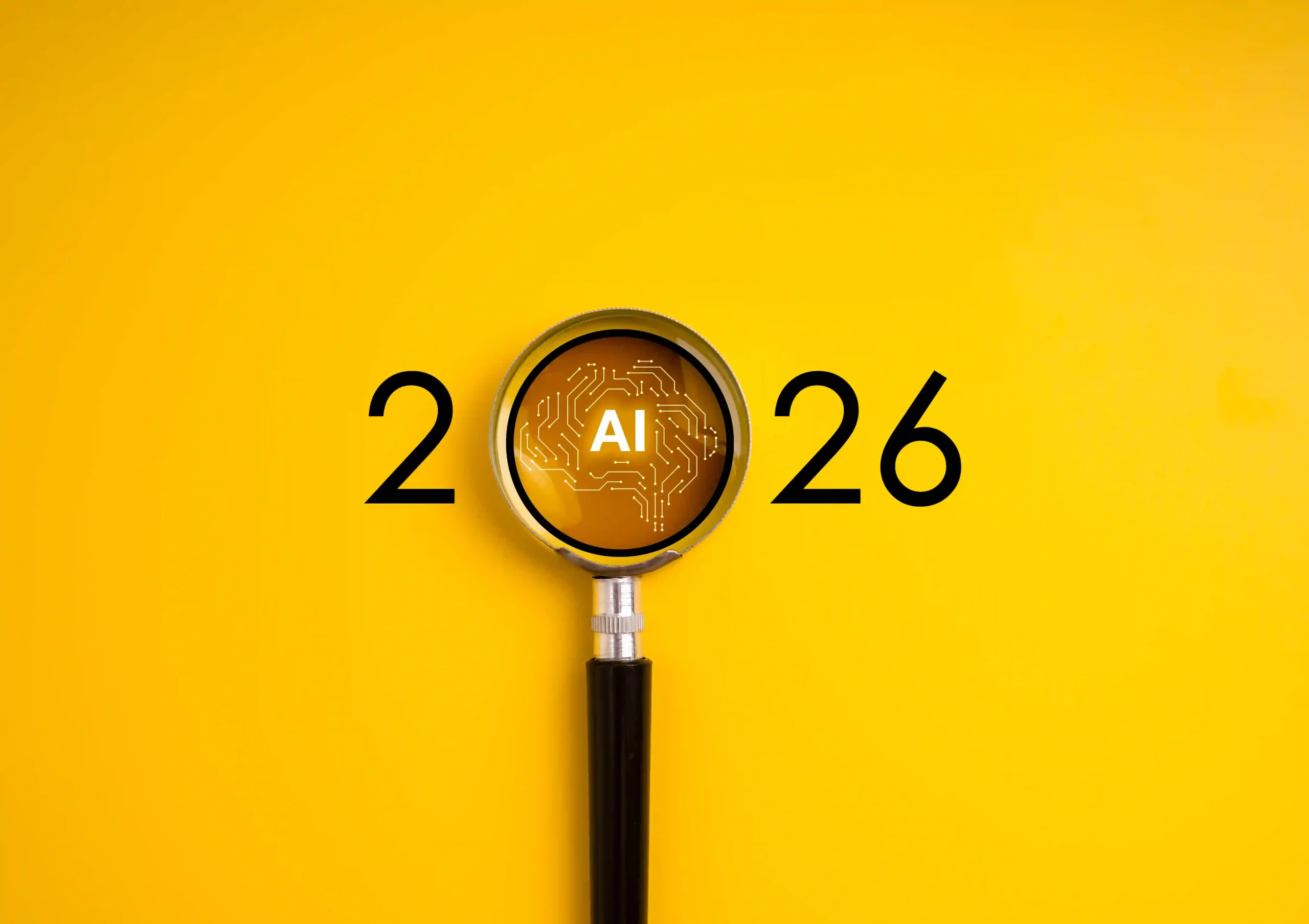
The world is entering one of the most transformative periods in modern history. Artificial Intelligence is accelerating innovation across industries, while geopolitical tensions from the Russia–Ukraine war to growing conflicts involving the United States, Israel, and Iran are reshaping economies, energy markets, and global technology supply chains.
As we move from 2025 into 2026, these forces are converging in ways that will redefine how businesses operate, how people work, and how nations compete. Understanding who will be most affected and who will benefit is essential for individuals and organizations preparing for the future.
In the early 2020s, AI was mostly viewed as an experimental technology. By 2025, however, AI had become a central pillar of business operations. Companies worldwide began embedding AI into customer service, analytics, automation, software development, and decision-making processes.
Large language models, generative AI tools, and automation systems are now used to:
Many organizations are shifting from “AI as a tool” to “AI as infrastructure.”
This transition means AI is no longer optional it is becoming fundamental to competitiveness.
While AI will create new opportunities, some industries will experience significant disruption.
Research indicates that administrative roles, finance, marketing, and customer support face some of the highest automation risks as AI systems become capable of performing routine tasks. (whataboutai.com)
Among the most affected roles are:
Tasks like data entry, scheduling, document management, and reporting are highly structured. AI systems can now complete these tasks faster and with fewer errors.
AI chatbots and voice assistants already handle many routine customer inquiries, significantly reducing the need for large human support teams. (Naraway)
Automated checkout systems and computer-vision-based stores are reducing reliance on traditional cashier roles.
AI-powered financial platforms can categorize transactions, detect fraud, and generate reports automatically.
Generative AI tools can produce written content, graphics, and marketing copy in seconds, changing how agencies and companies structure creative teams. (The DailyMoss)
However, AI is not simply eliminating jobs it is transforming them.
Experts estimate that while millions of roles may be displaced, AI could also create millions of new jobs globally by 2030, particularly in AI engineering, data science, cybersecurity, and automation management. (Datarails)
While automation will impact many routine roles, some professions will grow dramatically.
Demand for professionals who build and manage AI systems continues to rise rapidly.
As digital systems expand, protecting data and infrastructure becomes increasingly critical.
AI assists diagnosis and research, but human expertise remains essential for patient care.
While AI can generate content, humans remain key for storytelling, brand vision, and emotional intelligence.
Developers, system architects, and product engineers who understand AI tools will remain highly valuable.
The key shift is that human creativity, strategic thinking, and problem-solving will become even more important.
Technology and geopolitics are now deeply intertwined.
The ongoing Russia–Ukraine war has already reshaped energy markets, global supply chains, and cybersecurity strategies. Meanwhile, rising tensions involving the United States, Israel, and Iran have added new uncertainty to the global economy.
Recent reports indicate that these conflicts are increasing instability in global markets and energy prices, affecting economies worldwide. (Forbes)
News coverage also highlights how tensions in the Middle East are pushing oil prices higher and creating volatility in global markets. (The Economic Times)
Energy costs matter greatly for technology industries because modern infrastructure especially AI requires enormous computing power and electricity.
Most people don’t immediately connect global conflicts with AI development, but the relationship is significant.
AI data centers consume massive amounts of power. Rising energy prices can slow expansion and increase operational costs.
Advanced chips used for AI are manufactured in complex global supply networks. Geopolitical tensions can disrupt these supply chains.
Modern wars increasingly involve cyberattacks and AI-powered digital warfare.
Countries are racing to dominate AI technology because it influences economic strength, defense capabilities, and global influence.
AI is now considered a strategic national asset, shaping global power dynamics in the coming decades.
As AI evolves, the structure of the workforce will change significantly.
Instead of replacing humans entirely, AI is expected to reshape how people work.
We are moving toward a model where:
This shift is already visible in industries like software development, where AI coding assistants accelerate productivity.
Workers who adapt and learn new skills will likely benefit the most from this transformation.
For companies, the key challenge is not whether to adopt AI but how to adopt it responsibly and strategically.
Businesses preparing for the future should focus on:
1. AI Integration
Implement AI tools that improve productivity rather than replace valuable human expertise.
2. Workforce Reskilling
Train employees to work alongside AI technologies.
3. Strong Cybersecurity
As digital systems expand, protecting data and infrastructure becomes essential.
4. Flexible Strategy
Companies must remain adaptable as technology and global conditions evolve.
Looking ahead to 2026 and beyond, three forces will likely define the next decade:
The organizations and individuals that succeed will not simply resist these changes they will understand them and adapt.
AI will not replace human ambition, creativity, or innovation. Instead, it will amplify those qualities for those who learn to work with it.
We are entering a new technological era where artificial intelligence, geopolitics, and economic transformation are closely connected.
The biggest risk is not AI itself.
The biggest risk is failing to adapt.
At fourthX Technologies, we believe the future belongs to those who combine technology with human insight building solutions that are innovative, responsible, and designed for the world ahead.